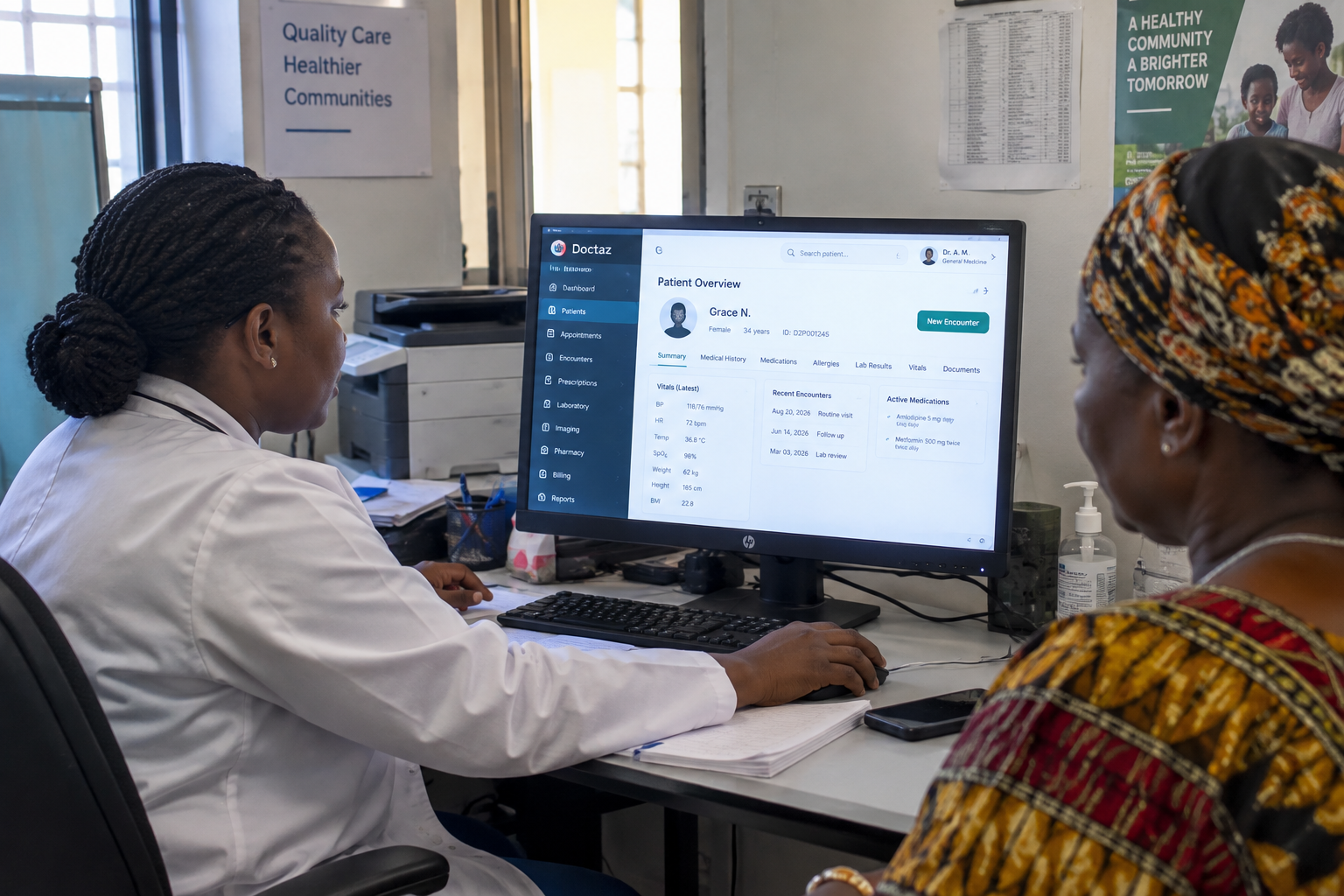
Healthcare is evolving rapidly, and digital transformation is at the center of that change. By replacing manual, paper based processes with integrated digital solutions, healthcare organizations can improve efficiency, enhance patient care, and make better informed clinical decisions. Digital transformation is more than adopting new technology. It is about creating connected healthcare systems that enable providers to deliver safer, faster, and more coordinated care.
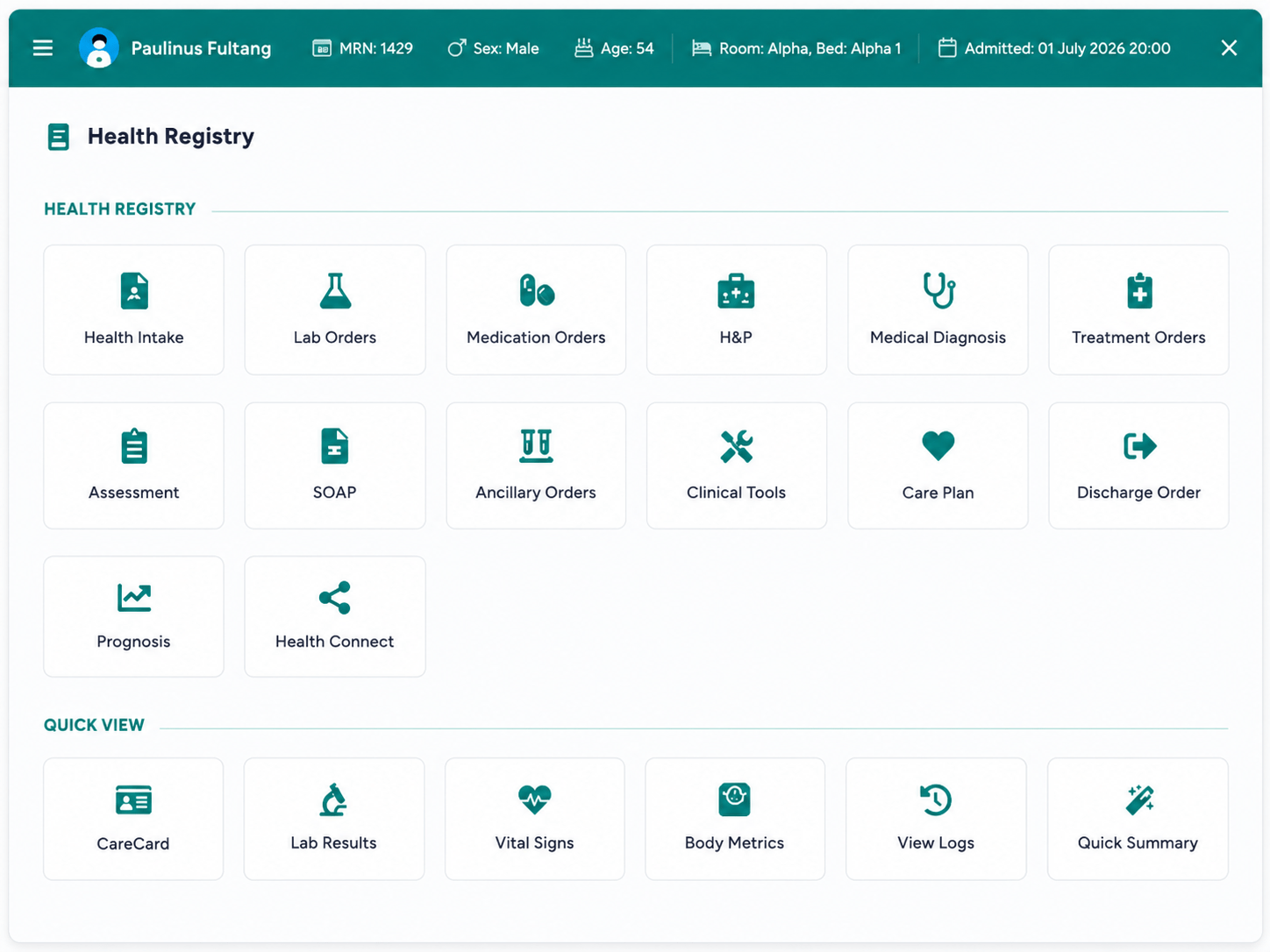
One of the greatest benefits of digital transformation is improved access to patient information. Electronic Health Records (EHRs) allow authorized healthcare professionals to securely access complete patient histories, medications, allergies, laboratory results, and treatment plans in real time. This reduces duplicate documentation, minimizes medical errors, and supports better clinical decision making.
Digital transformation also strengthens communication between patients and healthcare providers. Through telehealth, secure messaging, online appointment scheduling, and patient portals, individuals can access healthcare services more conveniently while staying actively involved in managing their health. These tools improve patient engagement and help reduce barriers to care, particularly for people in remote or underserved communities.
Healthcare organizations also benefit from greater operational efficiency. Digital systems automate administrative tasks such as appointment scheduling, billing, documentation, and reporting, allowing healthcare professionals to spend more time focusing on patient care. Integrated workflows reduce delays, improve collaboration among care teams, and contribute to a more seamless patient experience.
Data is another key advantage of digital transformation. Healthcare organizations can analyze clinical and operational data to identify trends, monitor quality measures, improve resource allocation, and support continuous quality improvement initiatives. Data driven insights enable leaders to make informed decisions that enhance both patient outcomes and organizational performance.
An example of digital transformation in practice is Doctaz, an integrated Healthcare Management Operating System designed to connect essential healthcare functions within a single secure platform. Doctaz combines patient scheduling, Electronic Health Records, telehealth, billing, care coordination, and secure communication to help healthcare organizations streamline operations and deliver more connected, patient centered care. By bringing these capabilities together, healthcare providers can improve collaboration, reduce administrative complexity, and focus on delivering high quality healthcare.
As healthcare continues to evolve, digital transformation will play an increasingly important role in improving access, efficiency, and quality of care. Organizations that embrace integrated digital solutions are better positioned to meet the growing needs of patients while building a more connected and sustainable healthcare system.