Jehovah’s Witnesses have announced an important adjustment to their position on the medical use of blood components. The change, announced on September 18, 2026, may affect how healthcare providers discuss transfusion options and document treatment preferences for Jehovah’s Witness patients.
What Has Changed?
Jehovah’s Witnesses continue to decline transfusion of whole blood based on their religious interpretation of the biblical direction to “abstain from blood.”
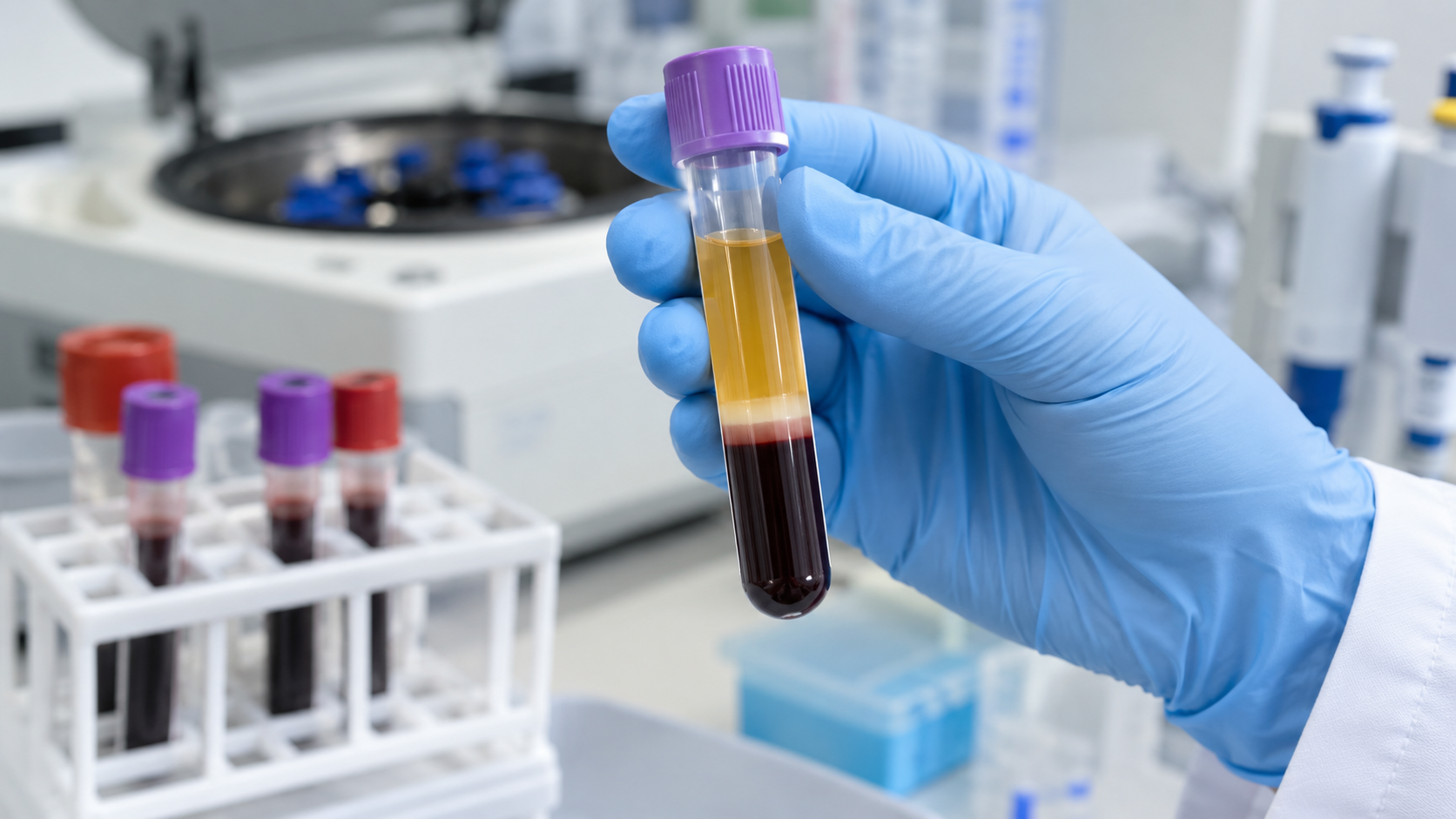
However, the organization now states that the decision to accept or decline each of the four main components obtained from donated blood is a matter of individual conscience. These components are:
- Red blood cells
- White blood cells
- Platelets
- Plasma
This means healthcare providers should no longer assume that every Jehovah’s Witness patient will decline these blood components. Each patient may make a different decision based on personal religious conscience, values, and medical circumstances.
The organization has also stated that an individual Witness may personally decide whether to donate blood when it is specifically intended to provide components or fractions for another person.
The position against transfusion of whole blood itself has not changed.
What About Blood Fractions?
Jehovah’s Witnesses have previously treated products derived from blood components—such as albumin, immunoglobulins, clotting factors, fibrinogen, and certain other fractions—as matters of individual choice.
The September 2026 adjustment extends this principle of personal decision-making to the four main blood components themselves.
Earlier in March 2026, Jehovah’s Witnesses also clarified that decisions involving a patient’s own blood during medical and surgical procedures are matters of personal conscience.
What This Means for Patients
Jehovah’s Witness patients should clearly communicate their individual choices to their healthcare team rather than relying only on a general religious identification.
A patient may accept one blood component while declining another. Preferences concerning blood fractions, procedures involving the patient’s own blood, and blood-conservation techniques may also differ from person to person.
Patients should discuss these decisions with their healthcare providers before surgery, childbirth, treatment for severe anemia, cancer therapy, or other situations in which transfusion could become necessary. Advance directives and other medical records should also accurately reflect the patient’s current decisions.
What Healthcare Providers Should Know
The most important clinical message is simple: ask the individual patient.
A patient’s identification as a Jehovah’s Witness should not automatically be interpreted as refusal of red blood cells, plasma, platelets, or white blood cells.
Healthcare professionals should:
- Discuss each blood component and relevant treatment option separately.
- Confirm exactly what the patient accepts and declines.
- Document those decisions clearly in the medical record.
- Review any advance directive or healthcare decision document with the patient.
- Reconfirm preferences when the patient’s clinical situation changes or before high-risk procedures.
- Continue discussing appropriate blood-conservation and transfusion-alternative strategies when desired by the patient.
- Respect informed patient decisions while following applicable professional standards, institutional policies, and local laws.
Clear documentation is particularly important during emergencies, when several clinicians may become involved in a patient’s care.
Individualized Care Is Essential
This change reinforces the importance of avoiding assumptions about patients based solely on religious affiliation.
Two Jehovah’s Witness patients may make very different decisions about the same blood product. Respectful communication, informed consent, shared decision-making, and careful documentation allow clinicians to provide medically appropriate care while respecting each patient’s beliefs and choices.
For patients, the update also makes advance conversations with healthcare professionals increasingly important. Understanding the difference between whole blood, individual blood components, blood fractions, and procedures involving one’s own blood can help patients make informed decisions before an emergency occurs.
The Bottom Line
As of September 18, 2026, Jehovah’s Witnesses continue to reject whole-blood transfusion, but accepting or declining red blood cells, white blood cells, plasma, and platelets is now an individual decision for each Witness.
For healthcare providers, the key principle is to ask, clarify, and document each patient’s choices rather than assuming a uniform position.
For patients, discussing these preferences early can help ensure that medical care remains consistent with both personal beliefs and clinical needs.
References
Jehovah’s Witnesses. (2026, September 18). Jehovah’s Witnesses: Each Witness now decides whether to accept or donate main blood components. JW.ORG.
https://www.jw.org/en/global-communications/country/global-news/Jehovahs-Witnesses-Each-Witness-Now-Decides-Whether-to-Accept-or-Donate-Main-Blood-Components/
Jehovah’s Witnesses. (2026). Medical information for clinicians: Important adjustment regarding primary blood components. JW.ORG.
https://www.jw.org/en/medical-library/
Jehovah’s Witnesses. (2026, March 20). 2026 Governing Body Update #2. JW.ORG.
https://www.jw.org/en/news/region/global/2026-Governing-Body-Update-2/
Disclaimer: This article is for general health information and does not replace individualized medical, legal, or religious guidance. Patients should discuss treatment decisions with qualified healthcare professionals.