Africa has taken another important step toward building more connected, data-driven healthcare systems.
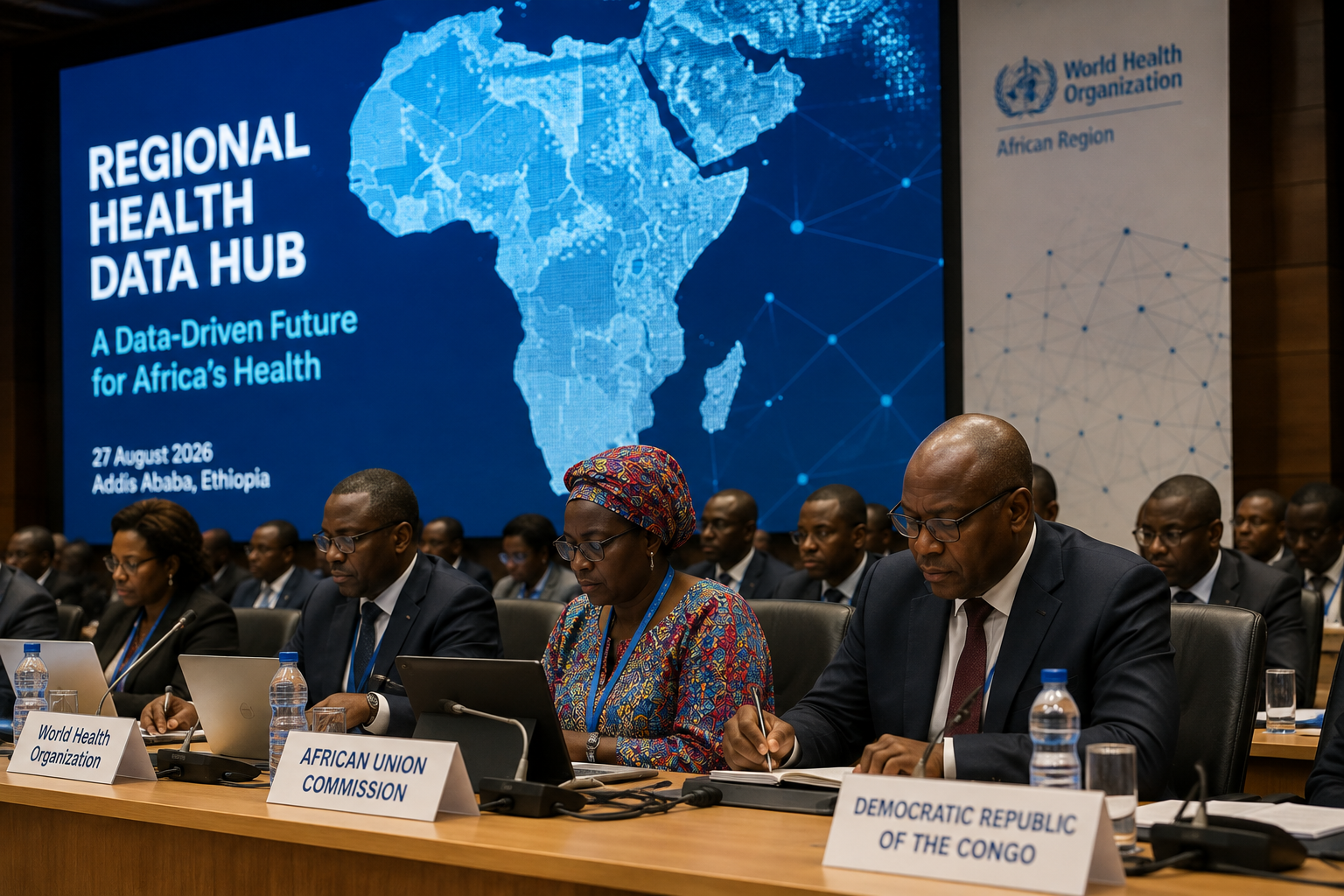
The World Health Organization Regional Office for Africa launched a new Regional Health Data Hub on August 27, designed to bring fragmented health information together and transform it into actionable intelligence for healthcare planning and decision-making.
The platform will support the 47 countries of the WHO African Region.
Why Health Data Matter
Healthcare information in many countries is distributed across multiple systems and institutions. When these systems cannot communicate effectively, policymakers and healthcare organizations may struggle to obtain a timely and complete picture of population health.
This can affect decisions involving disease outbreaks, maternal and child health, workforce planning, resource allocation and broader health-system development.
The Regional Health Data Hub is intended to address some of these challenges by providing a more integrated environment for health information.
A Broader Digital-Health Opportunity
The development also highlights the growing importance of interoperability and connected digital-health systems across Africa.
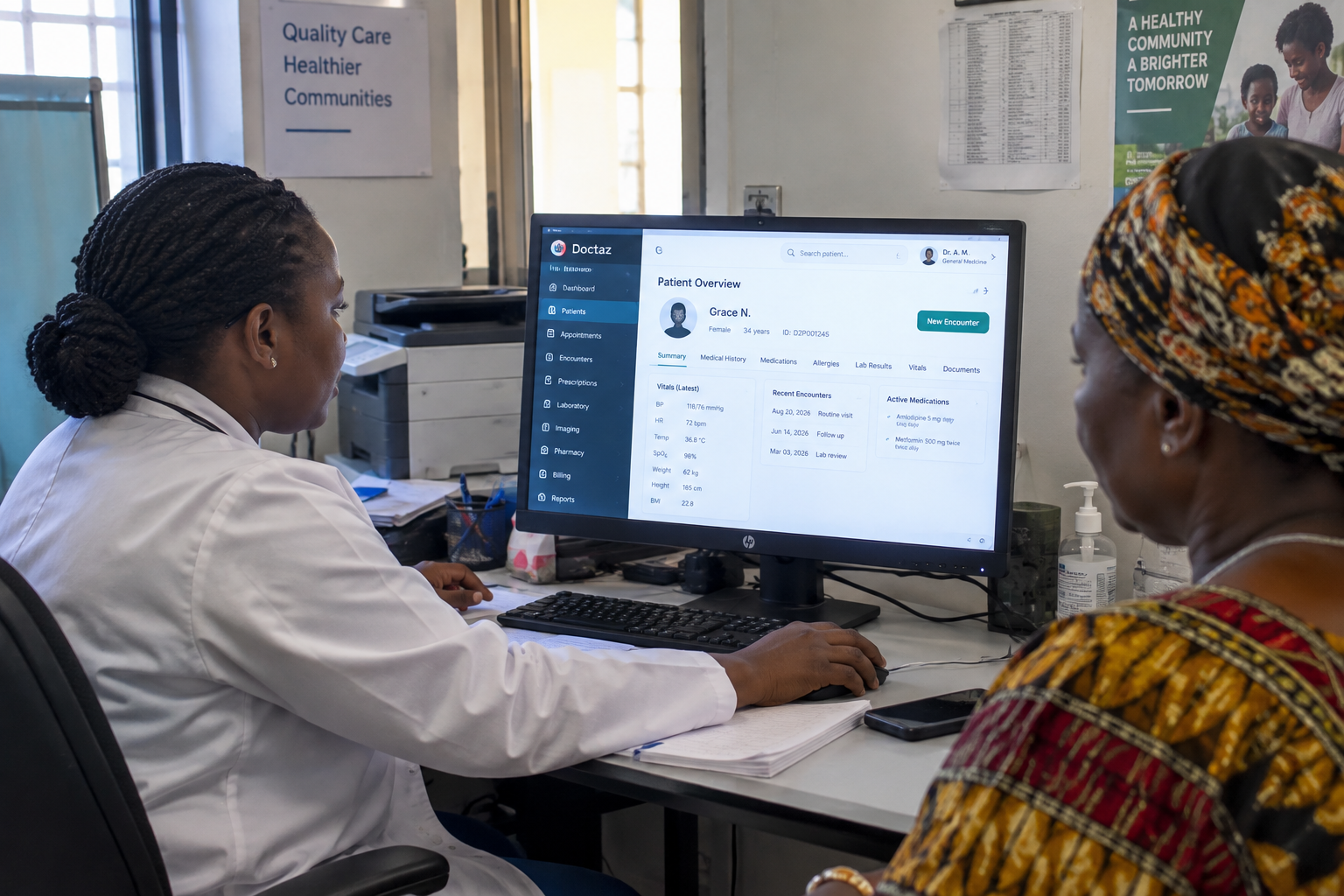
Electronic health records, disease-surveillance platforms, laboratory systems, pharmacy systems and other healthcare technologies generate increasingly valuable information. Their full potential is greater when information can be securely organized, exchanged and analyzed.
For African healthcare systems, this creates opportunities to improve:
- Disease surveillance and early warning
- Healthcare planning
- Monitoring of health outcomes
- Workforce planning
- Allocation of healthcare resources
- Evidence-based decision-making
What It Could Mean for African Healthcare
The Regional Health Data Hub represents more than the introduction of another technology platform. It reflects a broader movement toward healthcare systems in which reliable information becomes part of everyday decision-making.
For healthcare technology companies, hospitals and governments, the development also reinforces the importance of interoperability, data quality, cybersecurity, privacy and responsible use of health information.
As Africa’s digital-health ecosystem continues to develop, systems capable of communicating securely with one another may become increasingly important to building connected healthcare infrastructure.
Doctaz Healthcare News will continue to follow developments in digital health, electronic health records, interoperability and healthcare innovation across Africa.
Source: World Health Organization Regional Office for Africa, August 27, 2026.