Healthcare has changed dramatically over the past few decades. Paper charts, handwritten notes, and filing cabinets are gradually being replaced by digital systems that make patient information easier to access, update, and share. At the heart of this transformation is the Electronic Health Record (EHR).
Whether you are a healthcare provider, clinic manager, or simply curious about digital healthcare, understanding how EHR systems work is an important first step.
What Is an EHR System?
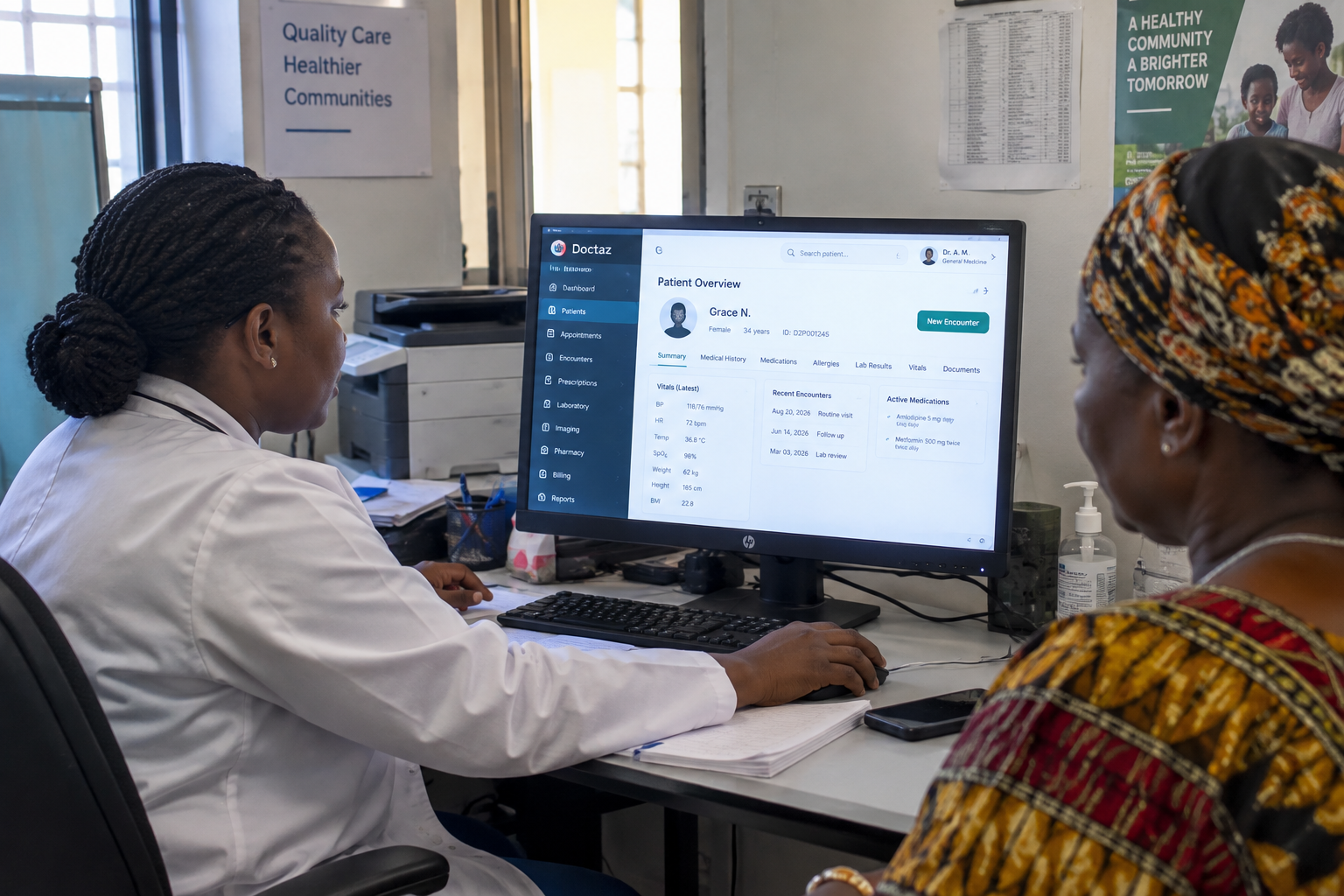
An Electronic Health Record (EHR) is a secure digital version of a patient’s medical record. It stores health information in one centralized system, making it accessible to authorized healthcare professionals whenever it is needed.
An EHR typically includes:
- Patient demographics
- Medical history
- Diagnoses
- Medications
- Allergies
- Laboratory and imaging results
- Immunization records
- Treatment plans
- Clinical notes
Instead of searching through paper files, healthcare providers can quickly retrieve patient information with just a few clicks.
Why EHR Systems Matter
Access to accurate information at the right time is essential for delivering safe and effective care. EHR systems help healthcare organizations improve efficiency while reducing many of the challenges associated with paper-based records.
Some of the key benefits include:
Faster Access to Patient Information
Healthcare professionals can instantly view patient records, reducing delays during consultations and improving clinical decision-making.
Improved Patient Safety
Complete and up-to-date medical records help reduce medication errors, duplicate testing, and communication gaps between providers.
Better Care Coordination
When multiple healthcare professionals are involved in a patient’s care, an EHR allows everyone to work from the same information, improving collaboration and continuity of care.
Increased Efficiency
Administrative tasks such as documentation, appointment scheduling, billing, and reporting become faster and more organized.
Better Data Security
Modern EHR systems use encryption, user authentication, and access controls to help protect sensitive patient information while supporting regulatory compliance.
Common Features of an EHR System
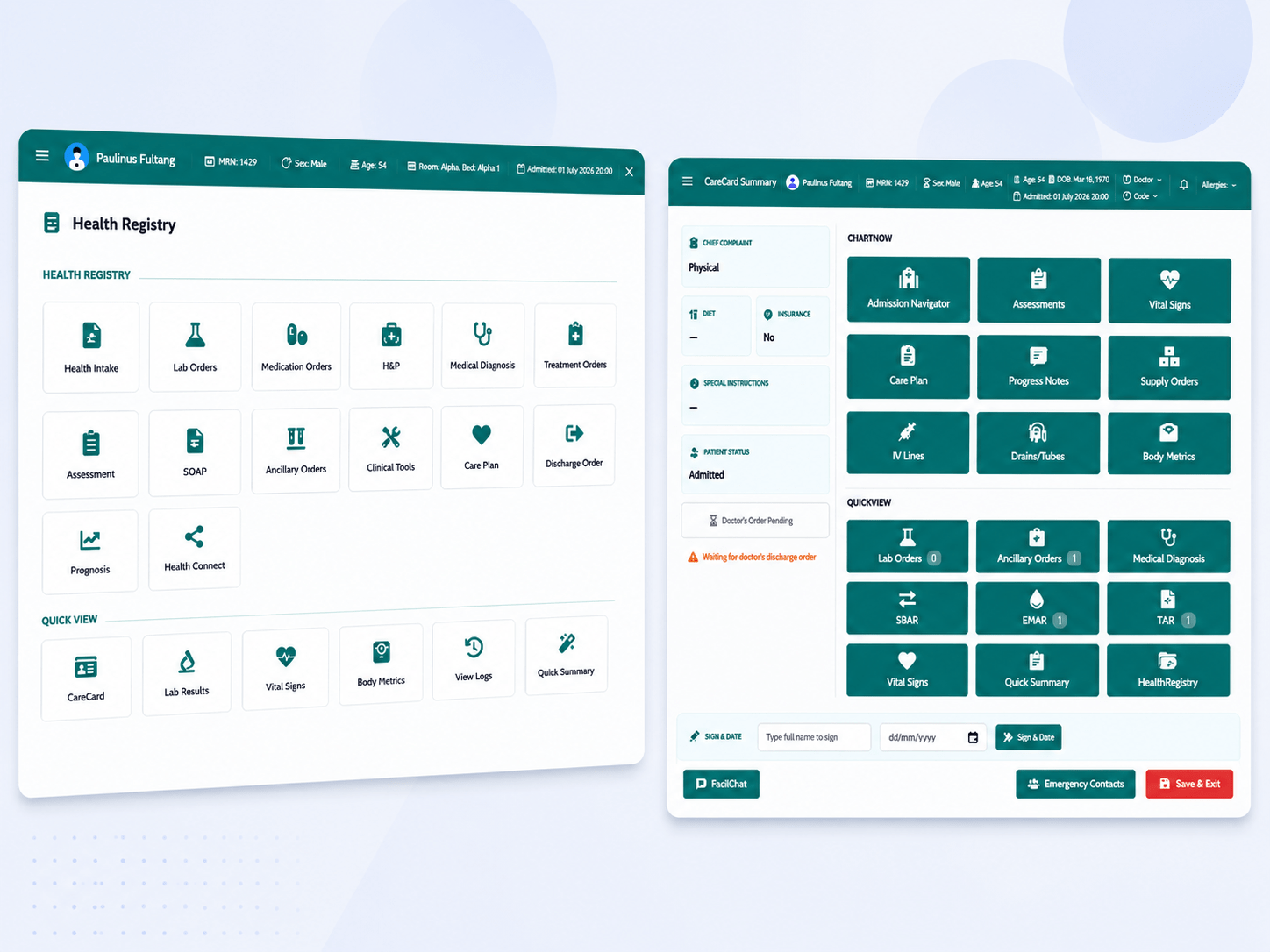
Most modern EHR platforms include tools that support both clinical and administrative workflows.
Common features include:
- Electronic patient records
- Appointment scheduling
- Clinical documentation
- Electronic prescribing
- Laboratory and imaging management
- Billing and invoicing
- Secure messaging
- Telehealth integration
- Reporting and analytics
These features work together to streamline daily operations and improve the patient experience.
Who Uses EHR Systems?
EHR systems are used across many healthcare settings, including:
- Hospitals
- Medical clinics
- Primary care practices
- Specialist clinics
- Urgent care centers
- Long-term care facilities
- Home healthcare organizations
- Telehealth providers
Any organization that manages patient information can benefit from implementing an EHR.
The Future of Healthcare Is Digital
As healthcare continues to evolve, digital technologies are becoming essential for delivering high-quality care. EHR systems serve as the foundation for connected healthcare by supporting communication, reducing administrative burden, and improving access to patient information.
Organizations that adopt modern healthcare technology are better equipped to provide efficient, coordinated, and patient-centered care.
How Doctaz Supports Digital Healthcare
At Doctaz, we believe healthcare works best when information flows seamlessly. Our Healthcare Management Operating System brings together Electronic Health Records, appointment scheduling, telehealth, billing, patient communication, and care coordination in one secure platform.
Instead of relying on disconnected systems or paper records, healthcare providers can manage their entire workflow from a single integrated solution, allowing them to spend less time on administration and more time caring for patients.
Final Thoughts
Electronic Health Record systems are more than digital filing cabinets. They are powerful tools that improve efficiency, strengthen collaboration, and support better patient outcomes. As healthcare continues to embrace digital transformation, understanding EHR systems is becoming increasingly important for providers and healthcare organizations alike.
If your organization is looking to modernize its operations, adopting a comprehensive EHR platform is an investment in safer, smarter, and more connected healthcare.