Why healthcare organizations are moving toward digital records
KEY TAKEAWAY
Paper medical records cost more than paper and storage. They consume staff time, slow access to information, increase administrative work, and make collaboration more difficult.
Healthcare has changed dramatically. Patients expect faster service, providers need timely access to information, and healthcare organizations face growing pressure to improve efficiency while maintaining quality care.
Yet many organizations still depend on paper medical records. Although paper charts have supported healthcare for decades, their true cost reaches far beyond paper, ink, and filing cabinets.
Paper Records Cost More Than You Think
The most visible expenses are easy to identify paper, printing, folders, and storage. The larger costs are often hidden in everyday operations.
- Staff time spent finding and returning charts
- Delays when information is unavailable
- Repeated documentation and filing work
- Physical storage and record retrieval
- Communication gaps between departments or facilities
- Staff Time Is Lost Managing Charts
Healthcare professionals work in fast-paced environments where timely access to information matters. Paper systems require staff to locate files, pull charts before appointments, return records after visits, and correct filing mistakes. Those tasks consume time without directly improving patient care. Even a few minutes lost per patient can add up across a busy clinic or hospital department.
2. Storage Requirements Keep Growing
As patient volume increases, the number of paper records grows with it. Organizations may need more filing cabinets, dedicated records rooms, off-site storage, and transportation services for archived files. Unlike digital records, paper files continue to occupy valuable space long after they are created.
3. Delayed Access Can Slow Care
Clinical decisions depend on accurate and timely information. When a provider cannot quickly access a patient’s medical history, medication list, previous results, or care plan, treatment may be delayed. Electronic records allow authorized users to retrieve information in seconds, helping the care team make informed decisions without waiting for a physical chart.
4. Administrative Work Increases
Paper documentation requires continuous filing, copying, organizing, transporting, and archiving. As patient volumes rise, these manual processes become harder to sustain and may require additional staff time. Reducing paper-based work allows administrative teams to focus more on patients, providers, and essential operations.
5. Collaboration Becomes More Difficult
Modern healthcare depends on teamwork. A patient may receive care from primary care providers, specialists, nurses, laboratories, pharmacies, and hospitals. With paper records, information often has to be copied, faxed, scanned, or physically transported. This slows communication and can leave members of the care team working with incomplete information.
6. Paper Records Face Physical Security Risks
Patient information is sensitive and must be protected. Paper records can be misplaced, viewed without authorization, damaged by water or fire, or deteriorate through repeated handling. Digital systems can provide controlled access, audit logs, secure backups, and other safeguards that are difficult to maintain with paper alone.
How Electronic Health Records Improve Efficiency
Electronic health records do more than replace paper. They centralize patient information and support faster, more coordinated workflows.
• Faster access to patient information
• More consistent clinical documentation
• Improved communication across the care team
• Less time spent filing and searching for records
• Easier reporting and performance monitoring
• Greater support for secure backups and controlled access
What Patients Notice
Patients may not see the technology behind their care, but they often experience the benefits. Digital records can contribute to shorter delays, fewer repeated questions, better continuity, and more organized communication with providers.
Signs Your Organization May Be Ready to Move Beyond Paper
• Staff frequently search for missing or misplaced charts.
• Storage space is becoming difficult to manage.
• Documentation delays affect patient flow.
• Several providers need access to the same information.
• Administrative work is consuming too much staff time.
• The organization plans to expand services or locations.
What to Look for in a Digital Health Platform
A digital system should simplify work, not add unnecessary complexity. When evaluating a solution, consider whether it supports:
• Electronic patient records
• Appointment scheduling
• Clinical documentation
• Electronic prescribing
• Telehealth visits
• Billing and payment workflows
• Patient communication
• Reporting and analytics
• Secure access based on staff roles
How Doctaz Supports Healthcare Organizations
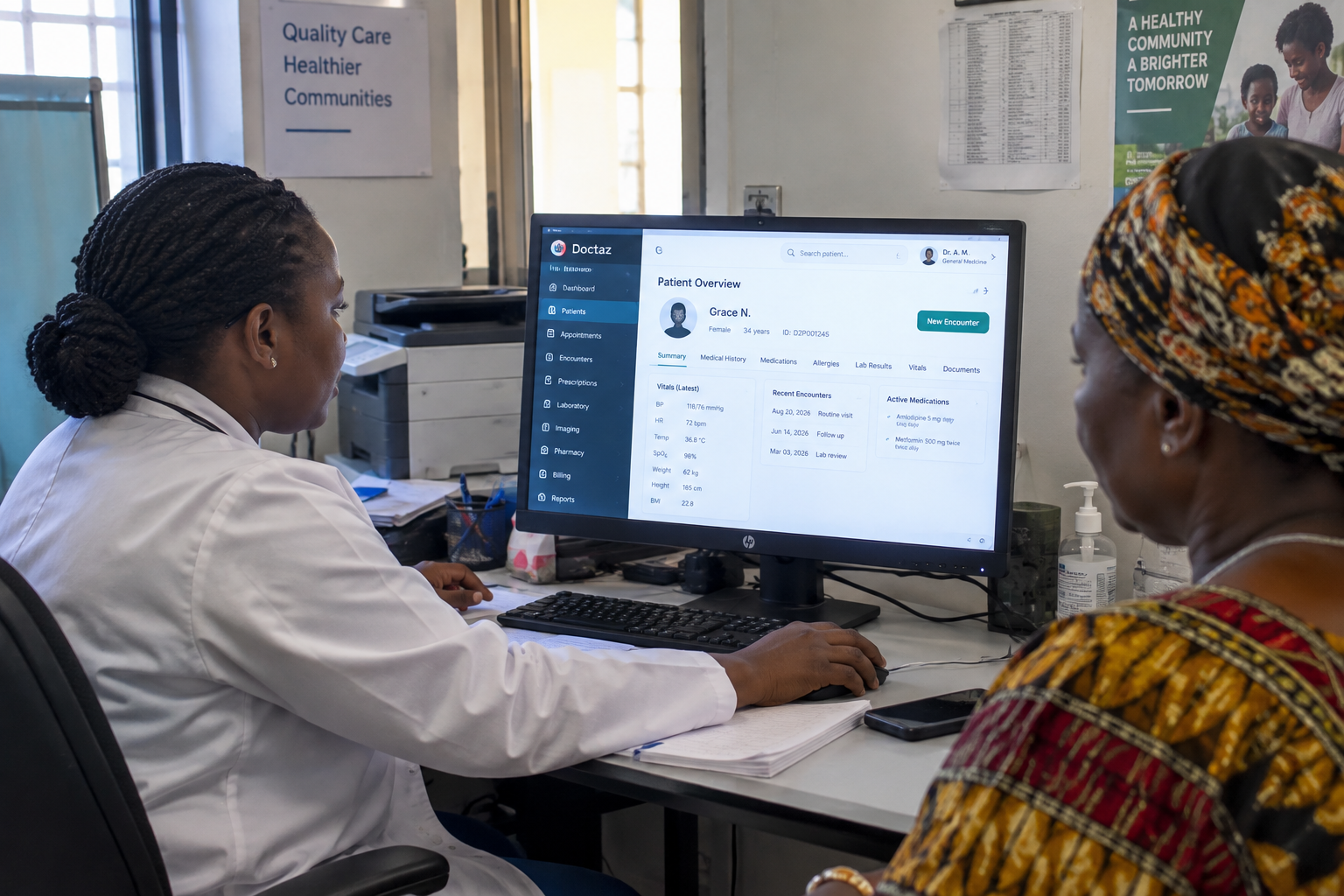
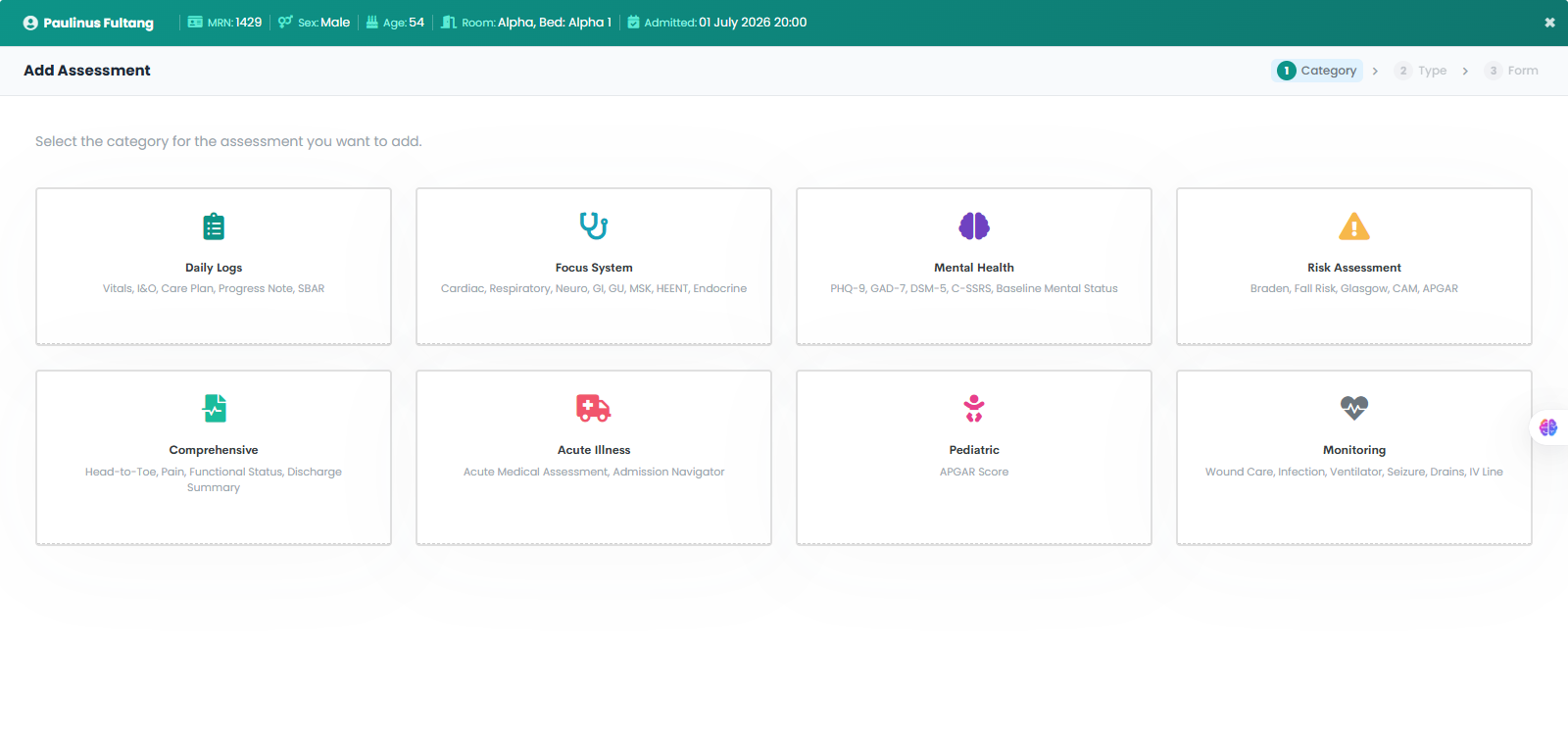
Doctaz helps healthcare organizations move from disconnected paper-based processes to a connected digital environment. The platform brings together patient registration, appointment scheduling, clinical documentation, electronic prescribing, telehealth, billing, and patient engagement in one system.
Whether you manage a private practice, specialty clinic, community health center, or hospital, Doctaz is designed to support more efficient operations and better coordinated care.
Final Thoughts
Paper medical records have supported healthcare for generations, but today’s organizations need faster access to information, stronger collaboration, and more efficient workflows.
Moving from paper to digital is more than a technology upgrade. It is an investment in better organization, improved access to information, and a more connected patient experience.
READY TO MODERNIZE YOUR HEALTHCARE ORGANIZATION?
Explore how Doctaz can help reduce paperwork, improve efficiency, and support better coordinated care.
Doctaz — Connecting Care. Transforming Medical Records.