Recent reports of suspected “baby factories” in Nigeria have once again raised serious concerns about human trafficking, exploitation of pregnant women, illegal transfer of newborns, and the safety of mothers and children.
The term “baby factory” is commonly used in Nigeria to describe clandestine operations in which women or girls may be recruited, harbored, deceived, coerced, or exploited during pregnancy, with babies allegedly transferred or sold outside legitimate adoption and child-protection processes.
Recent law-enforcement operations have resulted in pregnant women and children being rescued from suspected operations. Investigations into individual cases remain ongoing, and allegations should not be treated as proven until established through appropriate investigative and judicial processes.
Behind Closed Doors
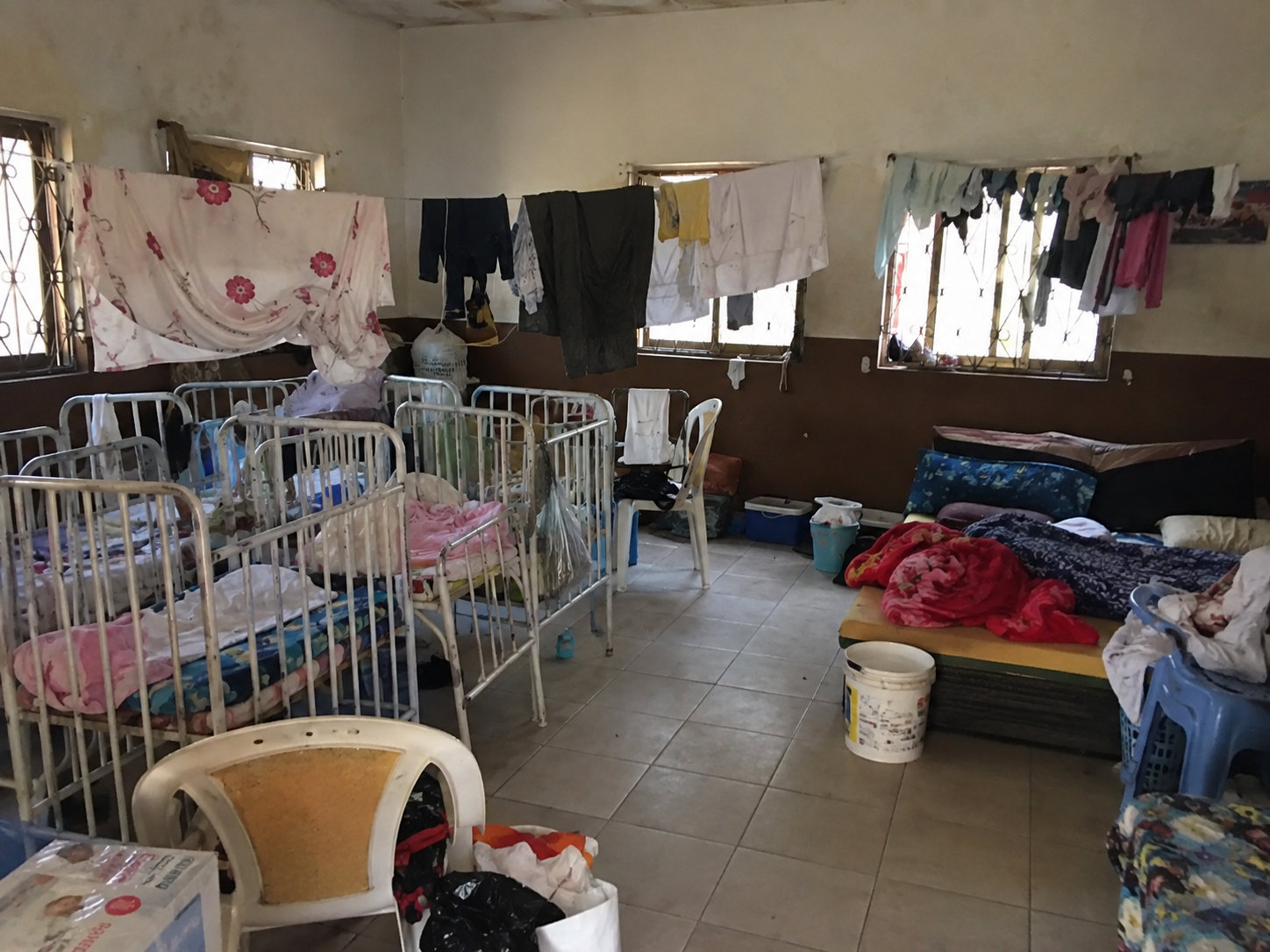
One of the most troubling aspects of the alleged baby-factory business is the reported use of clandestine locations to house pregnant women and facilitate childbirth away from established healthcare and child-protection systems.
These locations may operate discreetly and without the regulatory oversight expected of legitimate maternity facilities.
When pregnancy and childbirth occur in such environments, the danger extends beyond trafficking. It becomes a serious maternal and newborn health issue.
Childbirth in an Unsafe Environment Can Be Deadly
Pregnancy can appear normal until an emergency develops.
Severe bleeding, obstructed labor, hypertensive emergencies, infection, fetal distress, and other complications can require immediate medical intervention. Safe maternity care requires appropriately trained healthcare professionals, essential medications and equipment, infection-prevention measures, and access to emergency obstetric services.
A clandestine operation that is poorly equipped or staffed by unqualified individuals may be unable to recognize or manage these emergencies appropriately.
Newborns face similar dangers. A baby experiencing breathing difficulties, prematurity, infection, low birth weight, or complications during delivery may require immediate resuscitation and specialized medical care.
Delays of even a few minutes can have serious consequences.
Exploitation of Vulnerable Women
Women and girls caught within these alleged operations may be particularly vulnerable.
Some may be experiencing poverty, family difficulties, unintended pregnancy, social stigma, or other circumstances that make them susceptible to deception or exploitation.
Others may have limited ability to leave, seek independent healthcare, communicate freely with relatives, or make decisions concerning their pregnancies and babies.
This makes consent particularly important.
Simply claiming that a woman agreed to an arrangement does not necessarily establish that her decision was informed and voluntary. Authorities must consider whether coercion, deception, threats, financial pressure, or exploitation influenced the circumstances.
What Happens to the Baby?
The welfare of the newborn must remain central to any investigation.
Every child deserves safe medical care, legal identity, appropriate birth registration, and protection from trafficking and exploitation.
When a baby is delivered through a clandestine operation, important questions arise:
Who are the biological parents? Was the birth properly documented? Who authorized the transfer of the child? Where was the baby taken? Was a legitimate adoption process followed?
Without reliable documentation and oversight, tracing the child’s identity and circumstances can become extremely difficult.
Medical Records and Birth Documentation Matter
Accurate healthcare documentation can provide an important safeguard against exploitation.
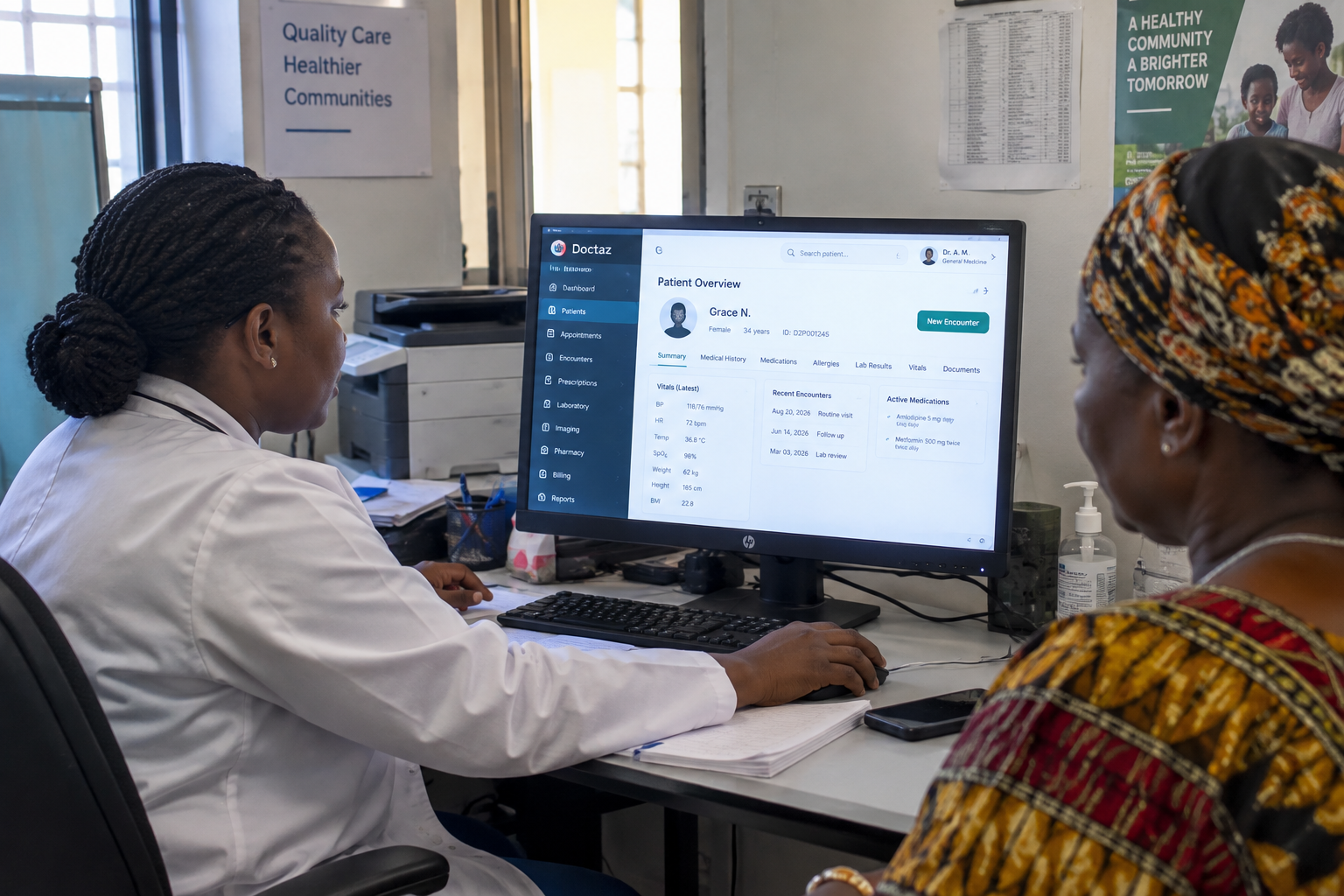
A legitimate maternity record should create a traceable history of antenatal care, maternal assessments, delivery, complications, medications, the baby’s condition at birth, consent, discharge, and appropriate follow-up.
Birth registration provides another layer of protection by formally establishing the existence and identity of the child.
Clandestine operations outside established healthcare systems can create dangerous gaps in this chain of accountability.
Healthcare Professionals Can Help Identify Warning Signs
Healthcare workers may sometimes encounter women or children affected by trafficking without immediately recognizing the situation.
Potential warning signs can include a pregnant woman who appears to be controlled by another person, is unable to speak privately, provides inconsistent information about her living arrangements, lacks expected antenatal records, or appears uncertain about what will happen to her baby after delivery.
No single warning sign proves trafficking. However, concerning circumstances should prompt appropriate safeguarding assessment and referral according to established procedures.
Regulation Must Go Beyond Closing a Facility
Law-enforcement raids are important, but shutting down one suspected location may not eliminate the network behind it.
A broader response should involve healthcare regulators, law enforcement, child-protection agencies, social services, communities, and organizations working against human trafficking.
Authorities should also pay attention to suspicious maternity activities operating from residential properties or other locations that may attempt to function outside normal healthcare oversight.
Verification of professional credentials, facility licensing, birth documentation, maternal and newborn records, and appropriate adoption procedures can help create barriers against clandestine operations.
Women and children rescued from suspected baby factories should also receive appropriate medical assessment, psychological support, social services, and protection from further exploitation.
More Than a Crime Story
The issue of alleged baby factories should not be viewed solely as a law-enforcement story.
It is also a maternal-health, newborn-safety, patient-rights, child-protection, and public-health issue.
A pregnant woman should never be hidden away or exploited for the purpose of producing a child for illegal transfer or commercial gain. Likewise, no newborn should enter the world without appropriate medical care and protection because those responsible are attempting to conceal an illegal operation.
Healthcare systems have an important role to play alongside law enforcement in identifying vulnerable women, ensuring safe maternity care, documenting births, and protecting children.
Pregnancy should never become a business opportunity for exploitation, and a baby should never become a commodity. Protecting mothers and newborns must remain at the center of the response.
Cases involving suspected baby factories remain subject to investigation and due process. Doctaz Healthcare News supports evidence-based reporting and will continue to follow verified developments concerning maternal health, child protection, human trafficking, and patient safety in Nigeria.