For thousands of women across Africa, what should be a moment of celebration can become a life-threatening emergency.
Despite significant improvements in maternal healthcare over the past two decades, Africa continues to carry the overwhelming burden of maternal deaths worldwide. Many women still die during pregnancy, childbirth, or shortly after delivery from complications that can often be prevented or successfully treated when appropriate care is available.
A recent maternal death reported in Kenya has again drawn attention to the consequences of delays in emergency obstetric care. A young mother reportedly developed severe bleeding after childbirth and later died following complications.
Her story reflects a much larger challenge affecting women across the continent.
Africa Carries a Disproportionate Burden
The World Health Organization estimates that approximately 178,000 mothers die every year in the African Region, many from preventable causes.
Although the region’s maternal mortality ratio declined by about 40% between 2000 and 2023, from 727 to 442 deaths per 100,000 live births, Africa still accounts for approximately 70% of maternal deaths worldwide.
These numbers represent mothers, wives, daughters, healthcare workers, businesswomen, farmers, students, and members of communities whose lives are lost during one of the most vulnerable periods of their lives.
Why Are Women Still Dying During Childbirth?
Some of the most dangerous complications of pregnancy and childbirth are treatable when identified early and managed appropriately.
Major threats include:
- Severe bleeding during or after childbirth
- Preeclampsia and eclampsia
- Infections and sepsis
- Obstructed labor
- Blood clots and other complications
- Complications associated with unsafe abortion
- Pre-existing medical conditions complicated by pregnancy
Having a complication does not necessarily have to result in death.
The difference can depend on whether a woman receives the right care at the right time.
Postpartum Hemorrhage Can Become an Emergency Within Minutes
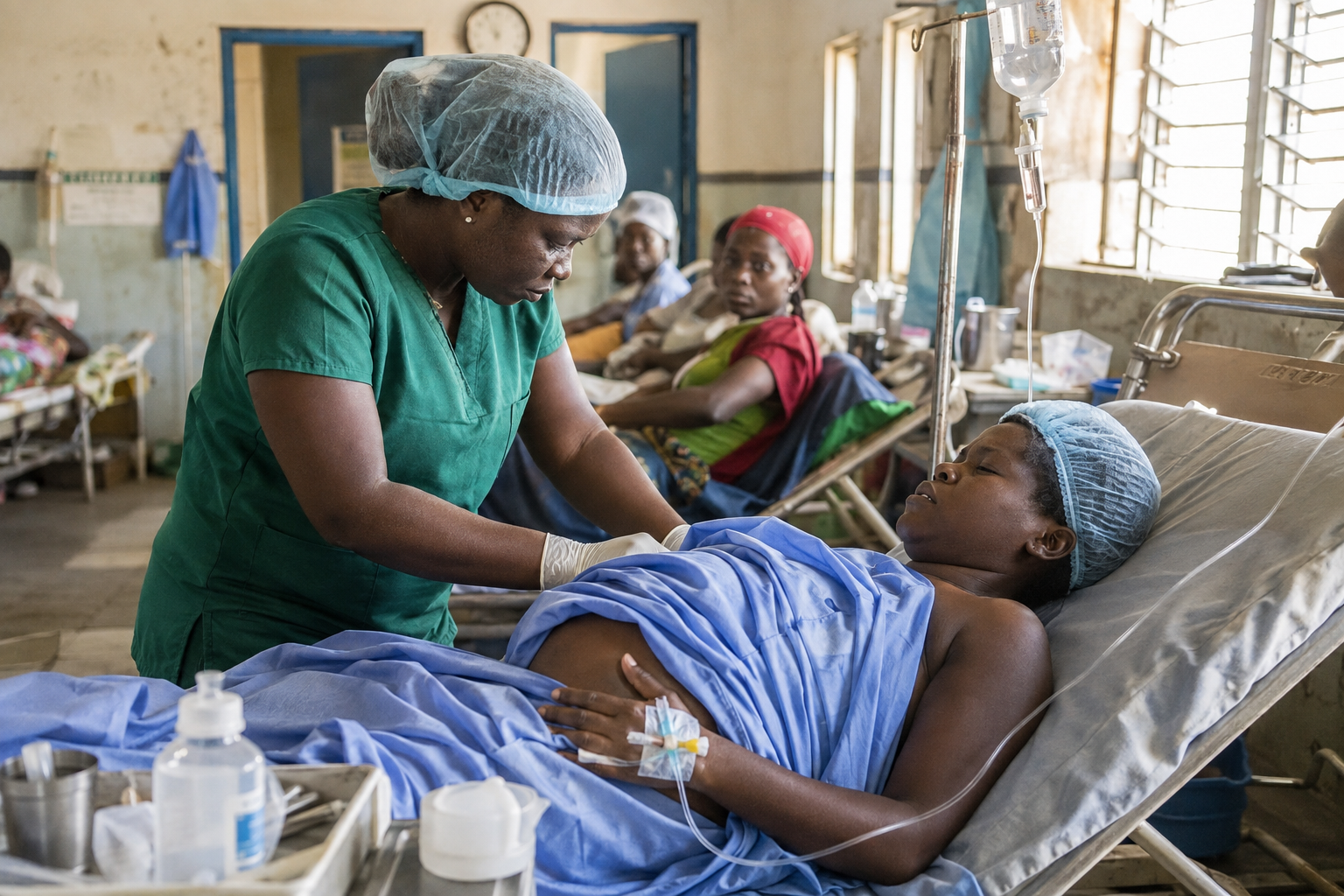
Severe bleeding after childbirth, known as postpartum hemorrhage, is particularly dangerous because a woman’s condition can deteriorate rapidly.
A healthcare facility caring for women during childbirth must therefore be prepared to recognize excessive bleeding and respond immediately.
This requires trained healthcare professionals, essential medications, intravenous fluids, blood and blood products when needed, appropriate equipment, surgical capability, and an effective referral system for patients requiring a higher level of care.
A delay at any point can have devastating consequences.
The Problem Is Not Always Reaching a Hospital
Encouraging women to deliver in healthcare facilities is important, but simply arriving at a facility does not guarantee a safe delivery.
Some hospitals and maternity centers across the continent continue to face shortages of blood, essential medications, equipment, operating rooms, ambulances, obstetric specialists, nurses, and midwives.
Even where skilled birth attendance is relatively high, emergency capacity may remain inadequate. In Kenya, for example, WHO reported in 2026 that only a small proportion of maternity facilities had all the equipment necessary to provide comprehensive emergency obstetric care.
This highlights an important distinction:
Access to a healthcare facility must also mean access to quality healthcare.
The Dangerous Three Delays
Maternal deaths are often associated with delays occurring at different stages of care.
The first may occur when a woman or family delays recognizing an emergency or deciding to seek medical attention.
The second can happen while attempting to reach an appropriate healthcare facility because of distance, poor roads, lack of transportation, cost, insecurity, or other barriers.
The third occurs when the patient reaches a healthcare facility but does not receive appropriate treatment quickly enough.
Reducing maternal mortality requires addressing all three.
Blood Availability Can Mean the Difference Between Life and Death
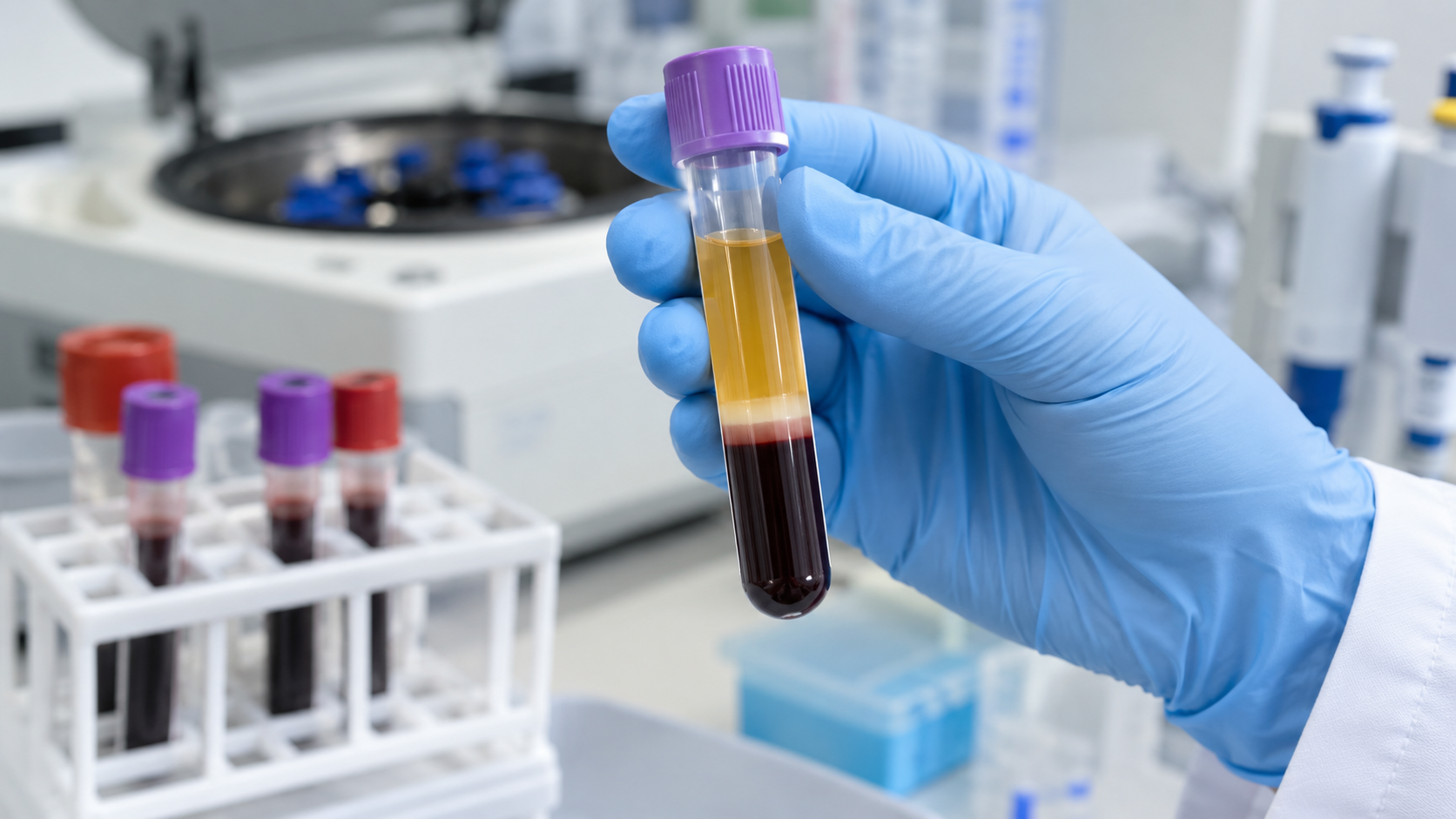
A woman experiencing severe hemorrhage may urgently require a blood transfusion.
Hospitals providing maternity services therefore need reliable systems for blood collection, testing, storage, and rapid access during emergencies.
A family should not have to begin searching for blood donors while a mother is critically bleeding.
Reliable blood-bank systems and emergency transfusion protocols should be considered essential components of maternal healthcare.
Conflict Makes Pregnancy Even More Dangerous
The maternal-health challenge becomes even more severe in areas affected by conflict and instability.
Conflict can destroy healthcare facilities, displace healthcare professionals, interrupt medical supply chains, restrict transportation, and prevent pregnant women from accessing antenatal and emergency obstetric services.
WHO reported in 2026 that women living in conflict-affected countries face a substantially greater risk of dying from maternal causes compared with women living in stable settings.
This has significant implications for several parts of Africa where conflict and displacement continue to disrupt healthcare.
Every Maternal Death Should Be Examined
When a woman dies during pregnancy, childbirth, or shortly afterward, the healthcare system should ask an important question:
Could this death have been prevented?
Maternal death surveillance and review can help hospitals and health authorities determine what happened, identify delays or gaps in care, and introduce changes to prevent similar deaths.
The objective should not simply be to assign blame. It should be to learn from every maternal death and improve the healthcare system.
Digital Health Can Support Maternal Safety
Better health information systems can also contribute to safer maternity care.
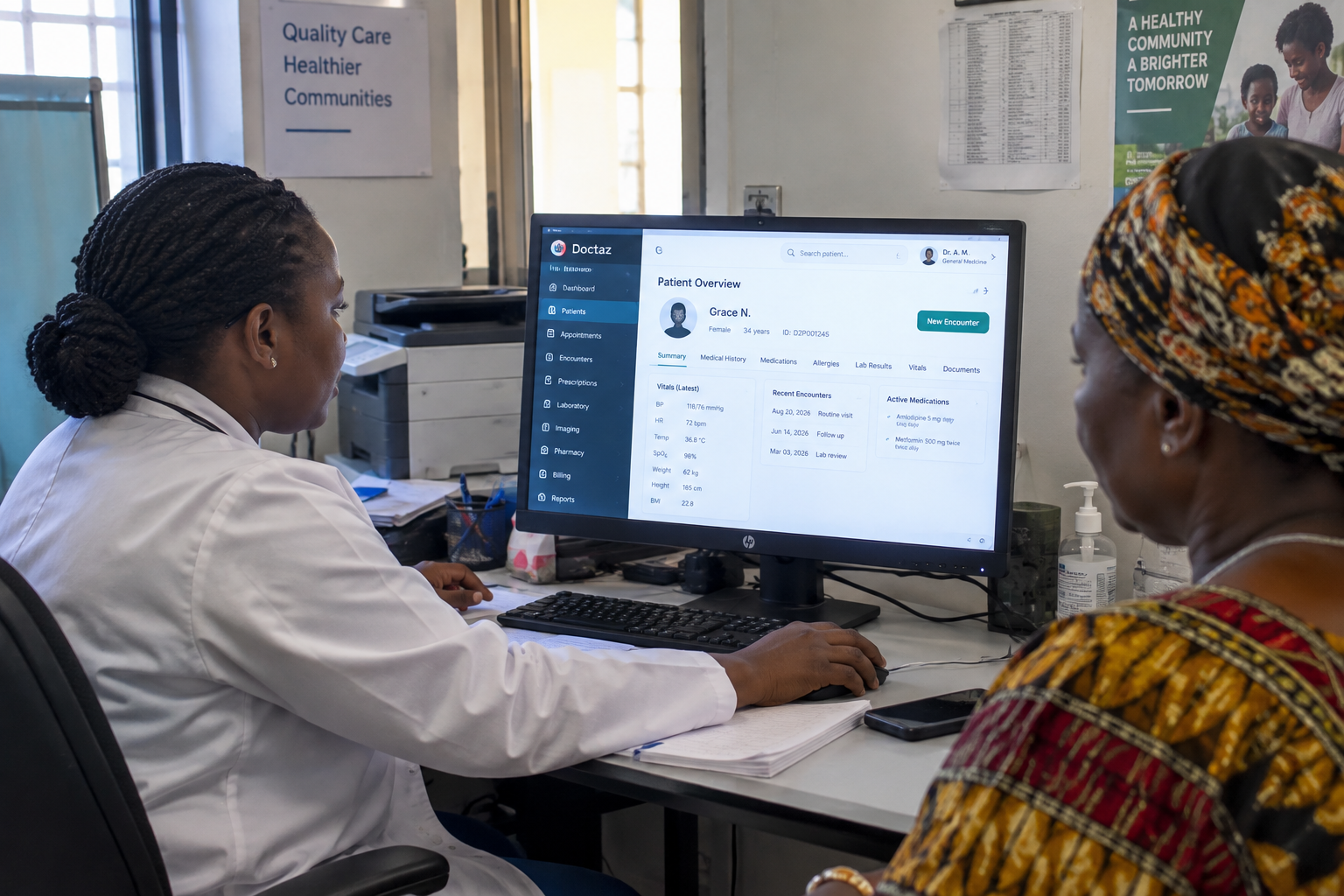
Electronic medical records can help healthcare professionals track antenatal visits, high-risk pregnancies, laboratory results, medications, previous Caesarean sections, allergies, blood groups, referrals, delivery information, and postpartum follow-up.
Digital referral systems can improve communication between facilities when a woman needs emergency transfer.
Maternal-health dashboards can also help hospitals and health authorities identify trends in hemorrhage, Caesarean deliveries, maternal deaths, emergency referrals, and other important indicators.
Technology cannot replace skilled healthcare professionals, blood, medications, or emergency equipment. But it can help create a more connected and accountable healthcare system.
Africa Can Prevent More Maternal Deaths
Progress is possible.
Africa has already achieved a substantial reduction in maternal mortality since 2000. However, the current pace of improvement remains insufficient to achieve the global target of fewer than 70 maternal deaths per 100,000 live births by 2030.
Reducing maternal deaths will require continued investment in skilled nurses and midwives, obstetric specialists, emergency transportation, blood services, medications, operating theatres, antenatal care, postpartum monitoring, healthcare infrastructure, and reliable health information systems.
Most importantly, women must be listened to when they report that something is wrong.
Childbirth Should Be a Beginning, Not an Ending
No family should prepare to welcome a baby and instead return home without the mother.
Every pregnant woman deserves access to respectful, timely, and appropriately equipped healthcare before, during, and after childbirth.
Maternal mortality should therefore be viewed not simply as a women’s health statistic but as an important measure of the ability of a healthcare system to respond when patients need it most.
Giving birth should not cost a woman her life. Every preventable maternal death is a reminder that Africa’s healthcare systems still have work to do.
Doctaz Healthcare News will continue to highlight maternal and newborn health challenges, healthcare innovations, and efforts to improve patient safety across Africa.