A disturbing kidney-removal allegation in Abuja has renewed discussion about informed consent, patient rights, and safety within healthcare facilities in Nigeria.
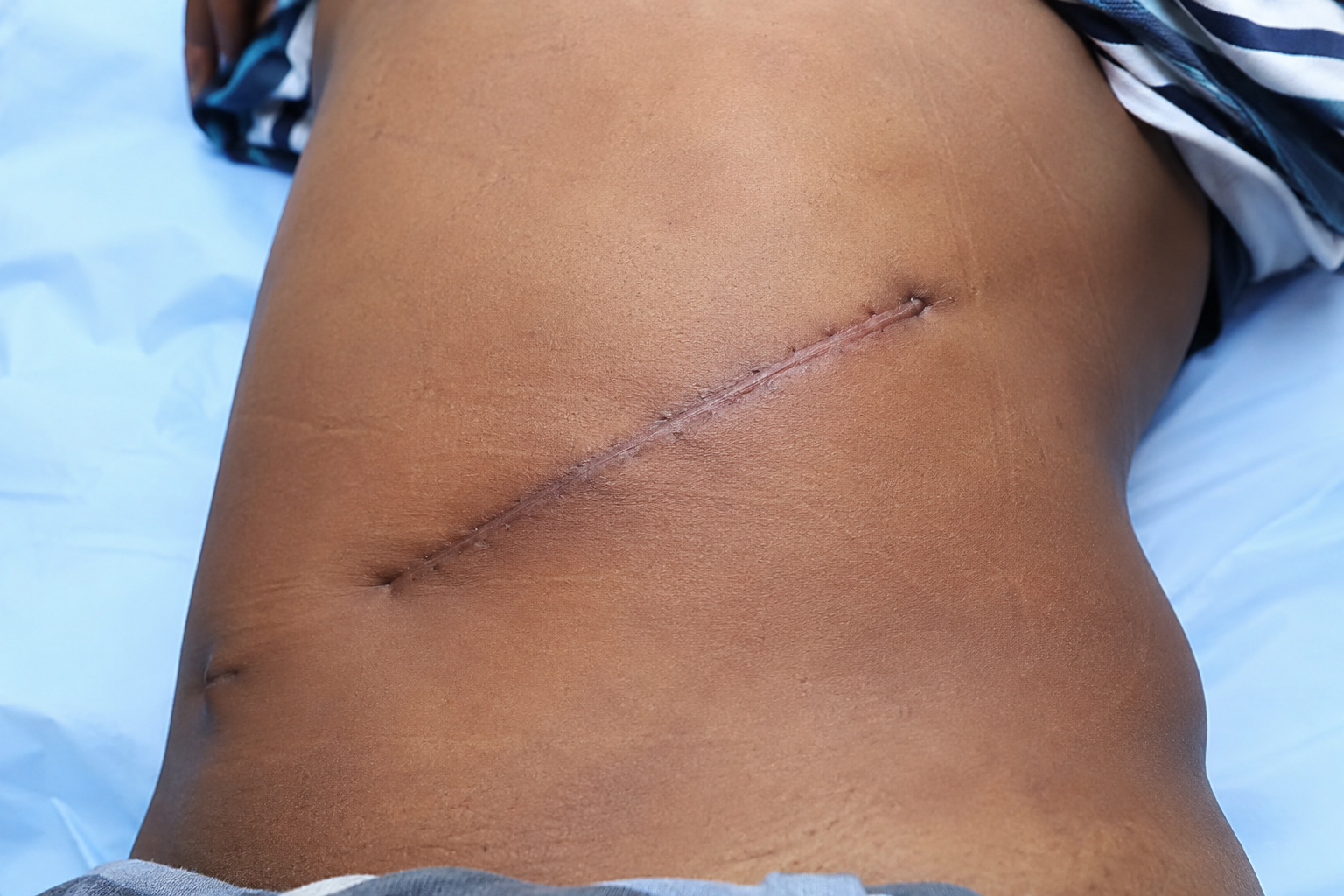
According to recent reports, a patient alleged that a kidney was removed without his knowledge or consent. Subsequent medical examinations reportedly indicated that one of his kidneys was absent.
However, the circumstances surrounding the case remain under investigation. It has not yet been conclusively established publicly when, where, how, or by whom the kidney was removed. For this reason, the allegation should be treated carefully until investigations provide further evidence.
The Central Issue: Informed Consent
Regardless of the eventual findings, the case raises an important healthcare question: What protections should be in place to ensure that patients fully understand and consent to procedures performed on their bodies?
Informed consent is more than obtaining a patient’s signature on a form. It is a process through which healthcare professionals explain a proposed procedure in understandable terms, including its purpose, potential risks and benefits, available alternatives, and possible consequences.
Patients should have an opportunity to ask questions and make their decisions voluntarily, without coercion or inappropriate pressure.
This principle becomes especially important when a procedure involves something as significant and irreversible as the removal of an organ.
A Signed Form Is Not Enough
Healthcare organizations should recognize an important distinction between obtaining a signature and obtaining informed consent.
A patient may sign a document without fully understanding what it means. Effective informed consent requires clear communication between the healthcare professional and the patient.
Before an invasive or irreversible procedure, healthcare providers should ensure that the patient understands what will be done, why it is necessary, the significant risks involved, available alternatives, and what may happen if the procedure is declined.
Consent should also be properly documented in the patient’s medical record.
Medical Records Are an Important Safeguard
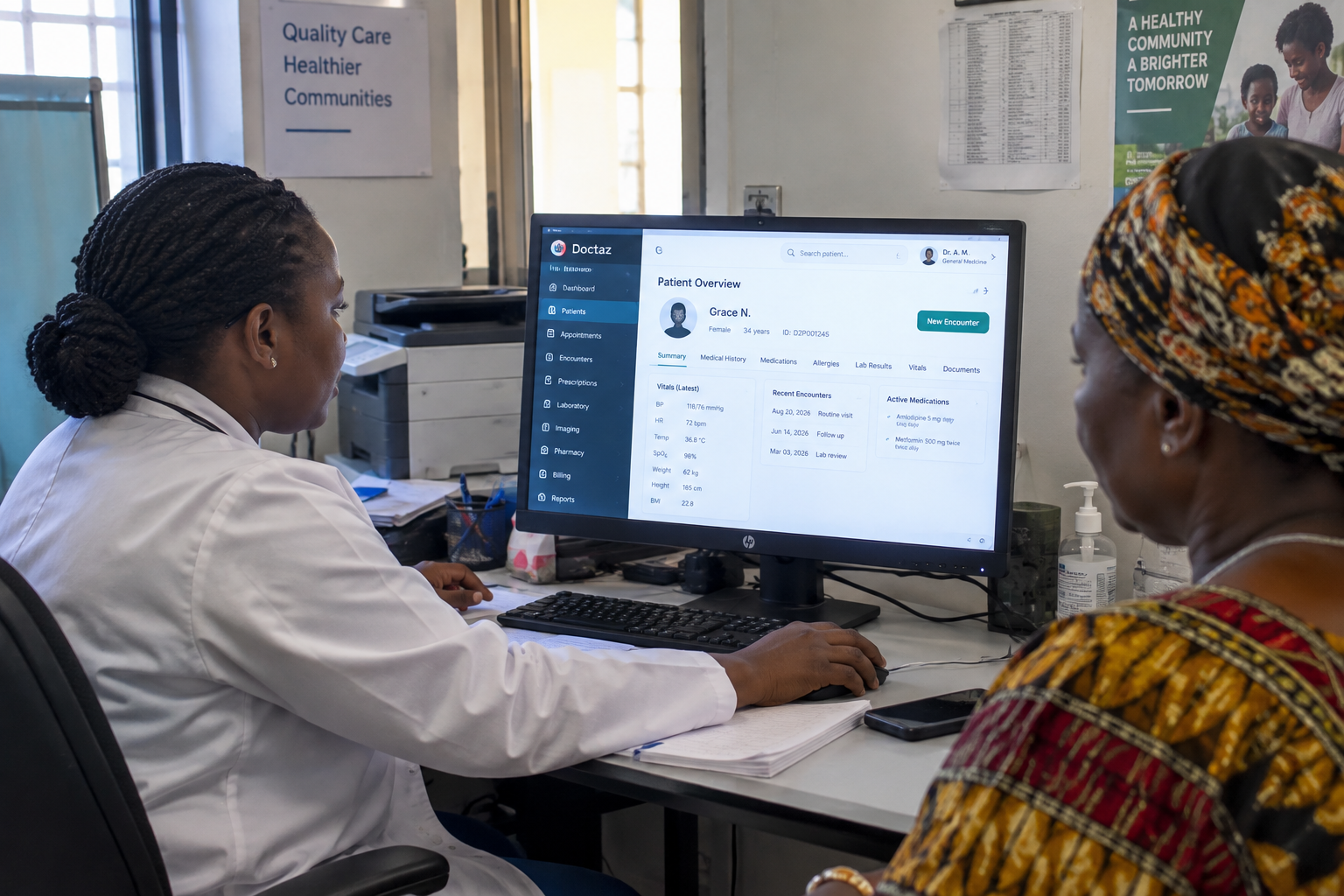
Cases involving disputed consent also demonstrate why comprehensive medical records are essential.
A reliable health record should help establish:
- What procedure was recommended and why.
- What information was provided to the patient.
- Whether informed consent was obtained.
- Who obtained and witnessed the consent.
- What procedure was actually performed.
- Who participated in the patient’s care.
- Relevant laboratory, imaging, surgical, and follow-up findings.
Strong documentation protects patients while also helping healthcare professionals and institutions demonstrate that appropriate standards of care were followed.
Hospitals Must Build Systems That Protect Patients
Patient safety should not depend solely on a consent form.
Healthcare facilities can establish additional safeguards for major and irreversible procedures, including verification of patient identity, independent confirmation of consent, appropriate counselling, surgical safety checks, complete documentation, and additional protections for vulnerable patients and organ donors.
For procedures involving organ removal or transplantation, strong oversight and traceability are especially important.
Trust Is at the Center of Healthcare
Patients enter healthcare facilities trusting that professionals will respect their dignity, autonomy, and right to make decisions about their bodies.
Any allegation that an organ may have been removed without valid consent is therefore extremely serious and deserves an independent, transparent, and evidence-based investigation.
At the same time, healthcare reporting must respect due process. Until investigations establish what occurred, allegations should not be presented as proven misconduct by any individual healthcare professional or institution.
The Abuja case provides an important reminder for healthcare systems everywhere:
Informed consent is not simply a signature on a document. It is a fundamental patient-safety process that protects a person’s autonomy, dignity, and right to decide what happens to their body.
The circumstances surrounding this case remain under investigation. Doctaz Healthcare News will continue to follow verified developments relating to patient safety, informed consent, and organ transplantation in Nigeria.