Drug Abuse Is No Longer Just a City Problem
When many people think about drug abuse, they often picture large cities. The reality is different. Today, towns and villages are also experiencing the effects of prescription drug misuse, self-medication, and the inappropriate use of medicines.
Easy access to certain medications, limited healthcare resources, and inconsistent enforcement of prescription regulations in some communities can contribute to the problem. While electronic prescribing alone cannot eliminate drug abuse, it can play an important role in promoting safer prescribing and dispensing practices.
Understanding Drug Abuse
Prescription drug abuse occurs when medications are used in ways that were not intended by a healthcare provider. This may include:
• Taking medication without a prescription.
• Using higher doses than prescribed.
• Sharing prescription medicines with family or friends.
• Using medications for recreational purposes.
• Obtaining the same medication from multiple sources.
Commonly misused prescription medicines include opioid pain relievers, sedatives, sleeping medications, and certain stimulants.
When these medicines are used improperly, they can lead to dependence, overdose, serious health complications, and even death.
Challenges Facing Many Communities
In many towns and villages, access to healthcare providers may be limited. As a result, some people rely on self-medication or obtain prescription medicines without proper medical evaluation.
Other challenges may include:
• Limited access to healthcare facilities.
• Shortages of healthcare professionals.
• Weak verification of paper prescriptions.
• Informal medicine vendors operating outside regulated healthcare systems.
• Limited public awareness about the dangers of medication misuse.
These challenges make it difficult to ensure that prescription medicines are used safely.
The Limitations of Paper Prescriptions
For decades, paper prescriptions have been the standard method of prescribing medicines.
Although familiar, they have several weaknesses.
Paper prescriptions can be:
• Lost before reaching the pharmacy.
• Altered after being written.
• Forged by unauthorized individuals.
• Difficult for pharmacists to verify.
• Hard to track once dispensed.
These limitations create opportunities for prescription fraud and inappropriate access to medications.
What Is Electronic Prescribing?
Electronic prescribing, commonly known as e-prescribing, allows healthcare providers to send prescriptions electronically to a pharmacy instead of writing them on paper.
The prescription is created within a secure digital system and transmitted directly to the selected pharmacy.
This process reduces manual handling while improving communication between healthcare providers and pharmacists.
How Electronic Prescribing Helps Combat Drug Abuse
Electronic prescribing supports safer medication use in several ways.
Reduces Prescription Fraud
Electronic prescriptions are transmitted securely from authorized healthcare providers.
This makes it much more difficult to alter or forge prescriptions compared to handwritten paper prescriptions.
Improves Prescription Accuracy
Poor handwriting has long been a source of medication errors.
Electronic prescriptions are typed, making them easier for pharmacists to read and reducing the risk of dispensing the wrong medication or dosage.
Creates a Digital Prescription Record
Every electronic prescription becomes part of the patient’s medical record.
Healthcare providers can review previous prescriptions and make more informed decisions about future treatment. This also improves continuity of care when multiple providers are involved.
Supports Responsible Prescribing
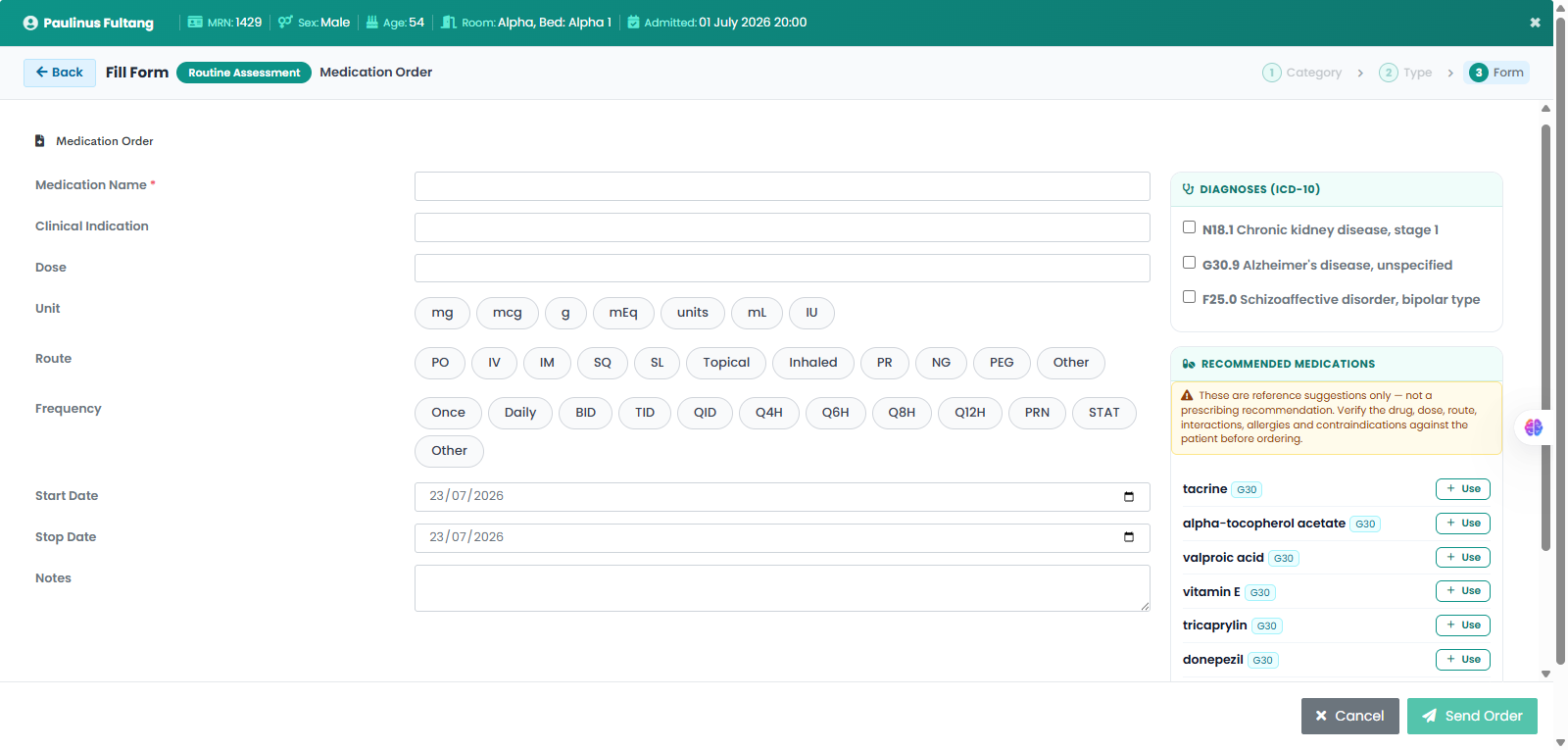
Electronic prescribing systems can provide clinical decision support by alerting prescribers to potential drug allergies, interactions, duplicate therapies, or inappropriate dosages. These tools help providers make safer prescribing decisions while supporting better patient outcomes.
Strengthens Pharmacy Verification
Instead of relying solely on paper documents, pharmacies receive prescriptions directly from authorized healthcare providers. This improves confidence that prescriptions are legitimate before medications are dispensed.
Benefits Beyond Drug Abuse Prevention
Electronic prescribing offers advantages that extend beyond reducing prescription misuse.
Healthcare organizations may also experience:
• Faster prescription processing.
• Reduced paperwork.
• Improved workflow.
• Better communication between providers and pharmacies.
• More complete patient records.
• Greater efficiency in medication management.
Patients benefit from a smoother prescribing process and fewer medication-related delays.
Challenges to Adoption
Despite its benefits, implementing electronic prescribing may present challenges, particularly in resource-limited settings.
These may include:
• Limited internet connectivity.
• Initial technology costs.
• Staff training requirements.
• Limited digital infrastructure.
• Resistance to changing established workflows.
Addressing these challenges requires collaboration between healthcare organizations, governments, technology providers, and policymakers.
Building Healthier Communities Through Technology
Technology alone cannot solve drug abuse.
Public education, responsible prescribing, strong regulatory oversight, and access to quality healthcare all remain essential. However, electronic prescribing can strengthen these efforts by making prescription processes more secure, improving accountability, and reducing opportunities for prescription fraud. As more healthcare organizations adopt digital solutions, communities can benefit from safer medication practices and more coordinated healthcare services.
How Doctaz Supports Safer Prescribing
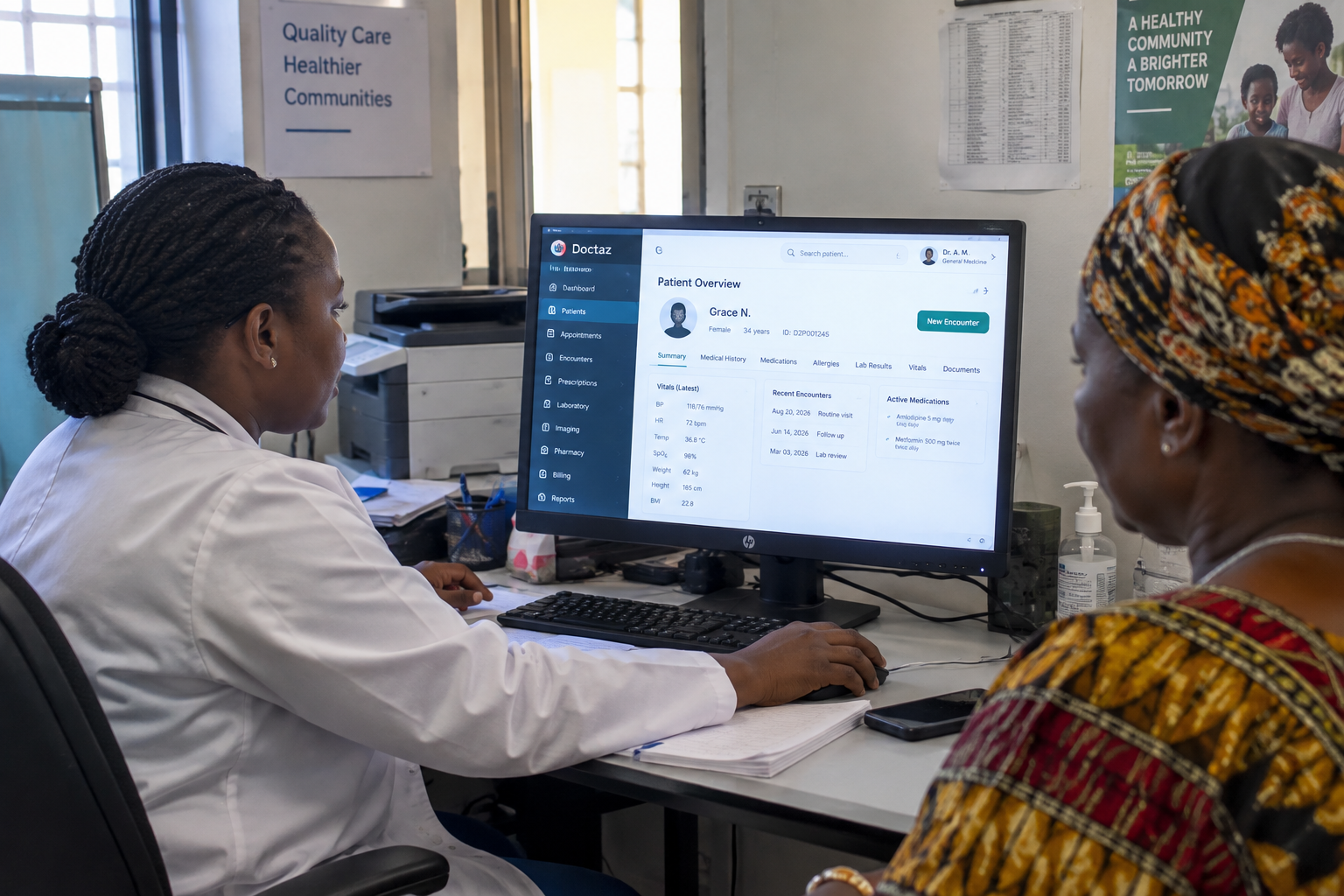
Doctaz provides an integrated healthcare platform that includes secure electronic prescribing alongside electronic health records, appointment scheduling, telehealth, clinical documentation, billing, and patient management. By connecting healthcare providers and supporting secure prescription workflows, Doctaz helps healthcare organizations improve medication safety, streamline operations, and enhance the quality of patient care.
Final Thoughts
Drug abuse affects families, healthcare systems, and entire communities. While there is no single solution, electronic prescribing is an important step toward safer medication management. By reducing prescription fraud, improving communication between healthcare providers and pharmacies, and supporting responsible prescribing, electronic prescribing helps strengthen healthcare systems and protect patients. As towns and villages continue to embrace digital healthcare, adopting technologies such as electronic prescribing can contribute to healthier communities and a safer future for everyone.
Ready to Modernize Your Prescribing Process?
Discover how Doctaz can help your healthcare organization implement secure electronic prescribing, improve medication safety, and support better coordinated care.
Doctaz — Connecting Care. Transforming Medical Records.